Networking for Technology Leaders
How can you get the most out of your network? How do you grow it? Where do you look for networking opportunities? What makes for a good networking interaction? When should you network?
Networking Isn’t About Who You Know #
It’s About How Fast You Can Create Value in a Room #
There’s a version of networking most people still believe in.
You go to events. You collect business cards. You follow up later.
And somehow, that turns into opportunity.
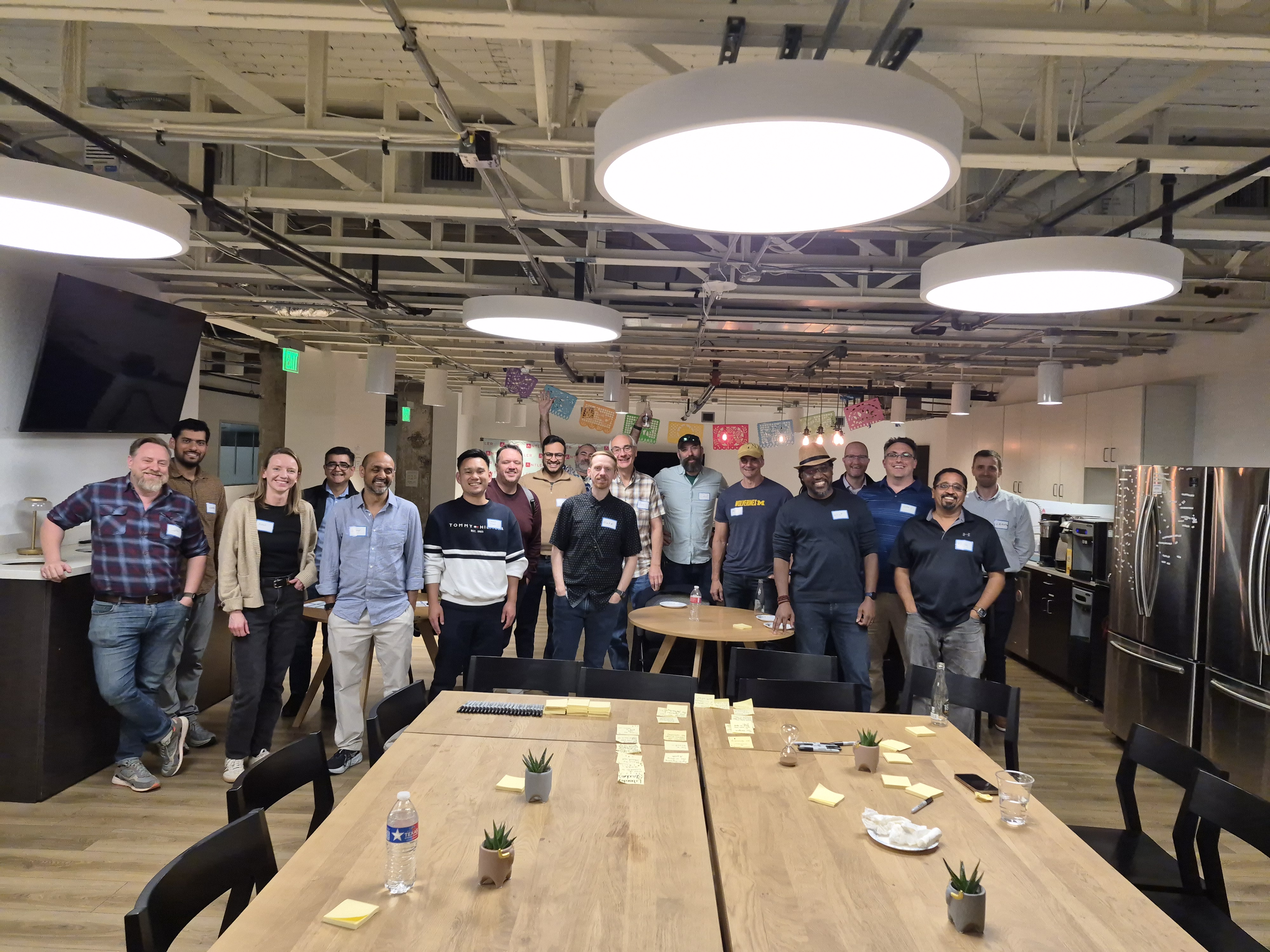
But what stood out to me this week at CTO Club was something more subtle:
The best operators don’t “network.” They create conditions where value emerges quickly.
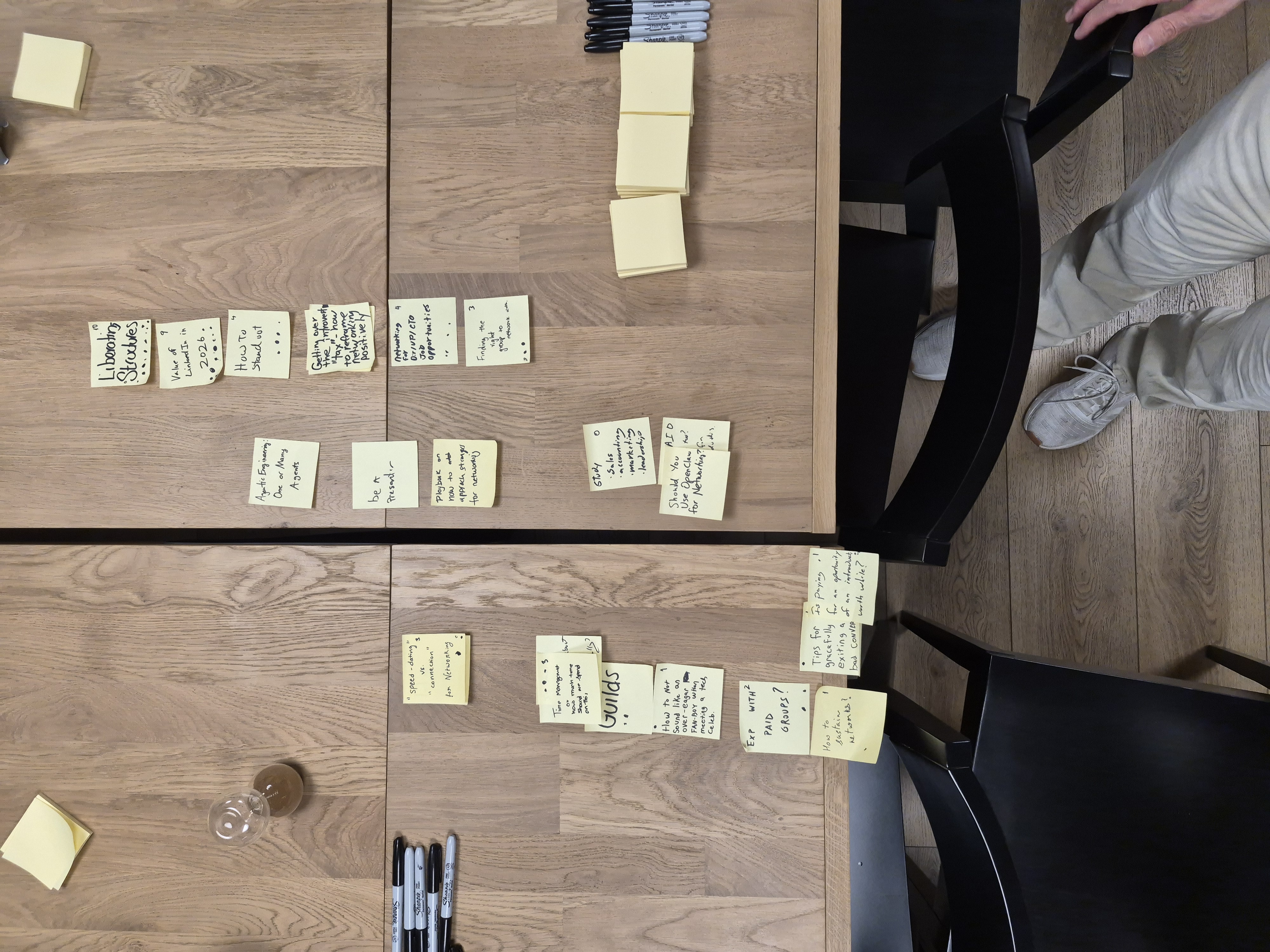
Liberating Structures: Designing High Signal Conversations #
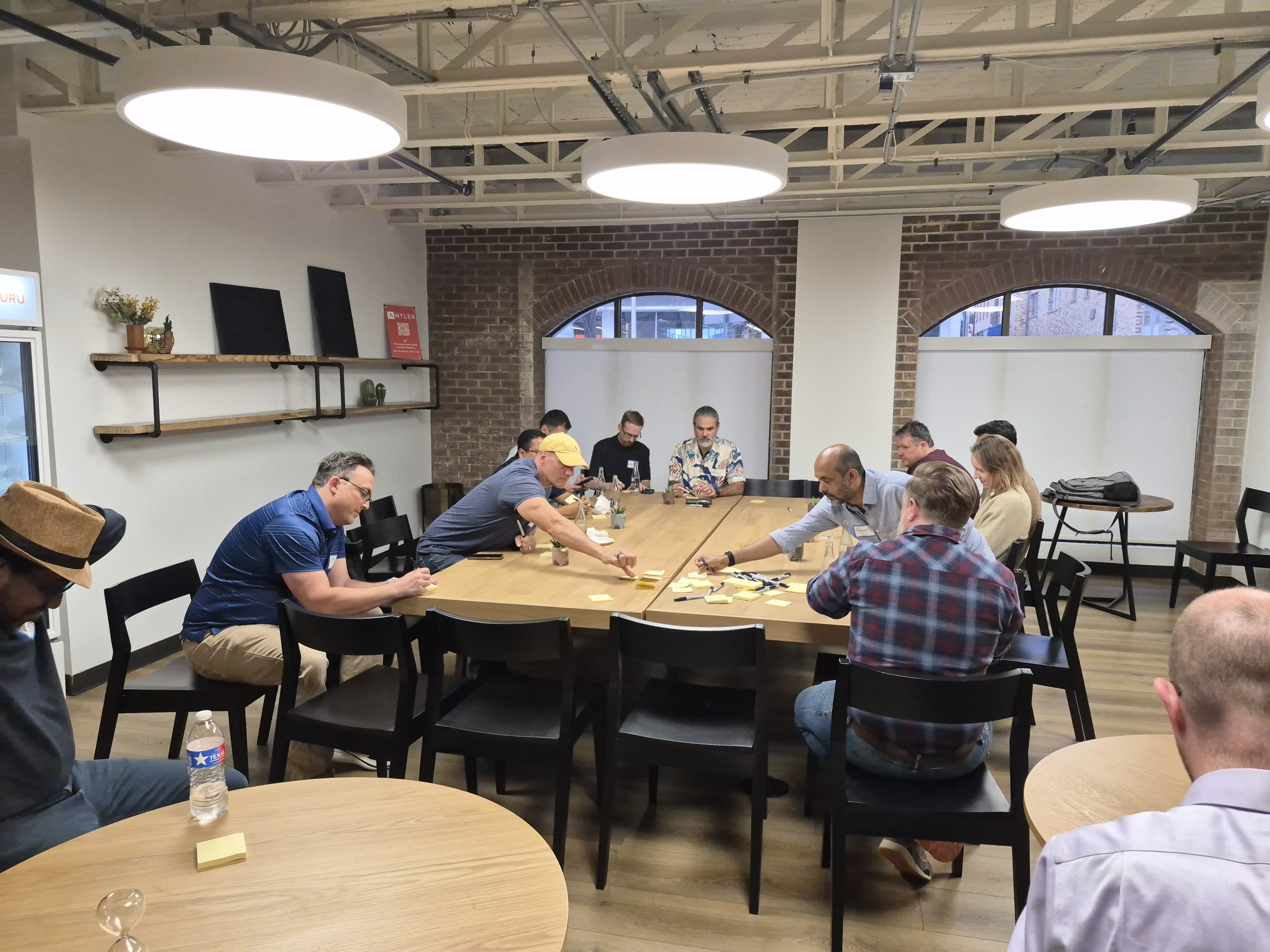
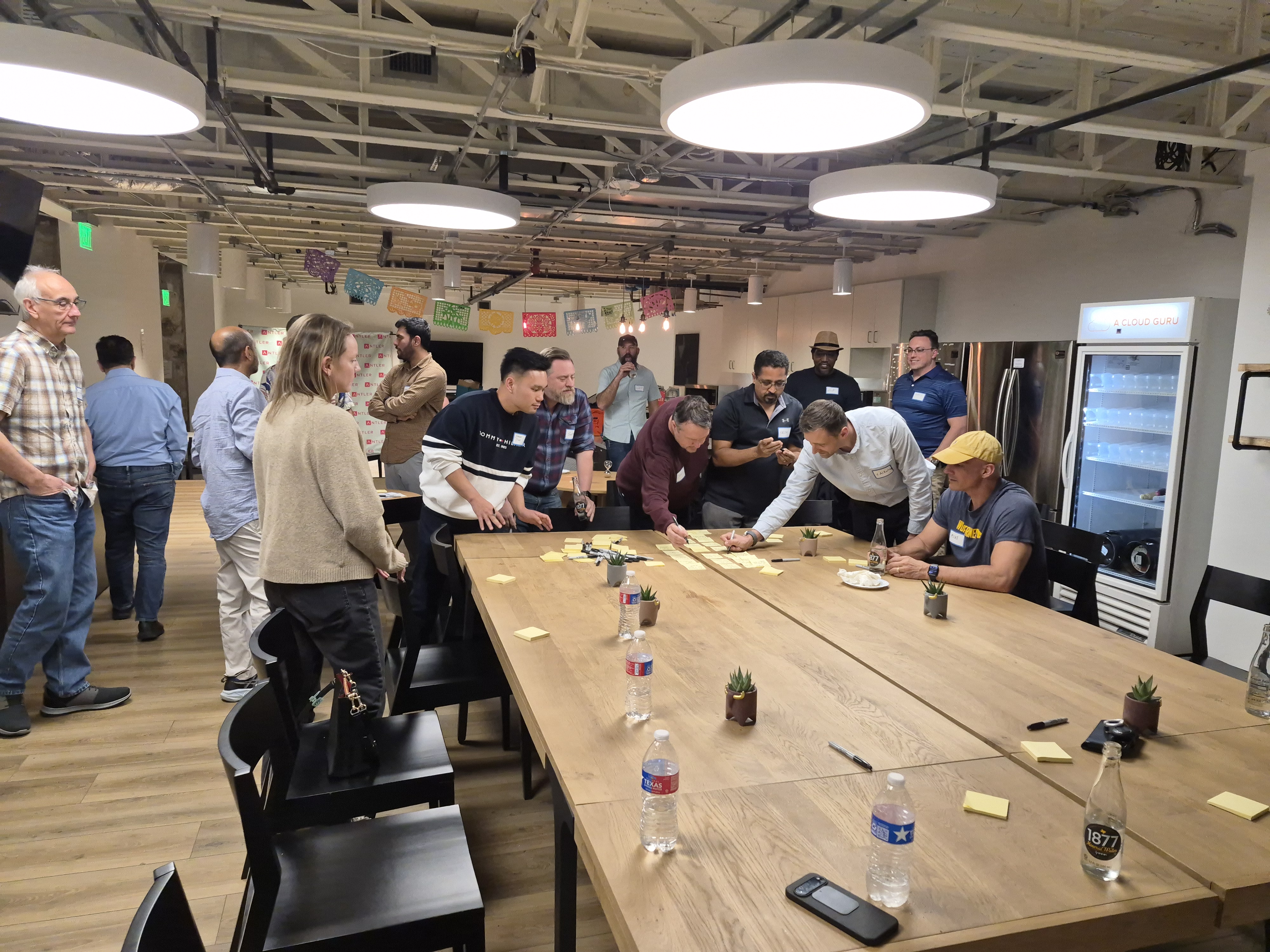
The first discussion centered around Liberating Structures, frameworks for running group conversations that are:
- Participation-driven
- Decentralized
- Structured, but flexible
- Focused on relevance
Formats like lean coffee or “vote with your feet” aren’t random, they’re designed.
And they do something important:
They increase the probability of high-signal interactions.
Not because speakers disappear, but because:
- More people contribute
- Conversations adapt in real time
- The group shapes what matters
The takeaway isn’t that traditional formats are obsolete.
It’s that:
How you structure the room determines the quality of outcomes.
LinkedIn in 2026: High Distribution, Low Trust #
There was broad agreement that LinkedIn feels noisier than ever:
- Notification overload
- AI generated content
- Performative positivity
- Fake or low signal accounts
And yet, it remains unavoidable.
Recruiters are there. Operators are there. Opportunities are there.
So the role of LinkedIn has shifted:
It’s less about content creation—and more about credibility distribution.
The people who stand out aren’t posting more.
They’re:
- More specific
- More grounded in real experience
- More useful to a defined audience
Standing Out (At Every Level of the Funnel) #
We spent time unpacking what it actually means to “stand out.”
It’s not one thing, it changes depending on where you are:
Top of Funnel (Visibility) #
- Be memorable
- Share a clear perspective
- Bring something distinctive (artifact, story, insight)
Mid Funnel (Conversation) #
- Ask better questions than others
- Listen closely
- Find angles where you can add value quickly
Bottom Funnel (Trust) #
- Demonstrate pattern recognition from past experience
- Tell clear, structured stories:
- Start in the middle → go back → land the point
- Show you can execute, not just think
And one subtle but important point:
If a conversation has no signal, you can leave. Time is part of your positioning.
The Reciprocity Layer #
One of the more human insights:
People want to help.
Networking isn’t purely transactional, it’s reciprocal.
- People feel good contributing
- Everyone, at some point, needs help
- Value compounds when it flows both directions
The mistake is thinking:
“I need to get something out of this.”
The better framing is:
“Where can I contribute something useful, right now?”
That shift alone changes how people respond to you.
Becoming an Extrovert (Without Pretending to Be One) #
Another useful reframe:
Extroversion is situational.
You don’t need to become someone else, you need to:
- Know when to engage
- Ask questions instead of performing
- Listen more than you speak
- Create space to recharge afterward
- Lower the stakes → care less about perception
- Use vulnerability to build connection
Extroversion, in this context, is:
A tool for accessing opportunity, not an identity.
How Opportunities Actually Happen #
A few patterns came up repeatedly:
- Most roles are filled within networks
- Warm connections outperform cold outreach
- If you want to be a CTO → build relationships with CEOs
- Decision makers matter more than job postings
And a tactical constraint:
If you can’t explain who you are and what you do in 4 lines, you’re losing opportunities.
Clarity is leverage.
The Value of Giving a Talk #
There was a quick but important point on talks:
The value isn’t just visibility, it’s refinement.
When you prepare a talk:
- You’re forced to structure your thinking
- You pressure test your ideas
- You clarify what actually matters
And in networking contexts, this extends further:
Conversations are how you test ideas in real time.
A talk is just a high pressure version of that loop.
- Conversations → iteration
- Talks → refinement
- Content → distribution
Finding the Right Rooms #
Not all networks are equal.
The best rooms are defined by shared problems, not shared titles.
Examples mentioned:
- Austin Technology Leaders (happy hours)
- Slack coffee bots
- Austin Security Association
- Austin Science Network
The pattern:
Find people solving the same problems as you—right now.
That’s where conversations become useful, fast.
Authority: Built Offline, Distributed Online #
Another key distinction:
- Authority is built through interaction
- Distribution happens through platforms
Talks, conversations, and real world exchanges build depth.
Platforms like LinkedIn extend that reach.
You need both: Depth to build trust, and distribution to scale it.
The Networking Flywheel #
Putting it all together:
- Enter the right room
- Ask high quality questions
- Add value quickly
- Create a memorable interaction
- Capture and distribute insights
- Re-enter with more leverage
Over time, this compounds into:
- Faster trust
- Stronger reputation
- More inbound opportunities
The Real Goal #
Most people optimize for:
- More connections
- More reach
- More visibility
But the better metric is:
Leverage per interaction.
Because ultimately
It’s not about who you know.
It’s about how quickly you can understand a room, identify what matters, and contribute something meaningful on the spot.
Closing Thought #
Networking isn’t a separate activity.
It’s a reflection of how you think, how you listen, and how you show up.
And the people who get the most out of it aren’t the most connected.
They’re the ones who can:
- Enter any room
- Find the signal
- And make the room better because they were there
Steven Tran is the founder and CTO Soundcheck Live.