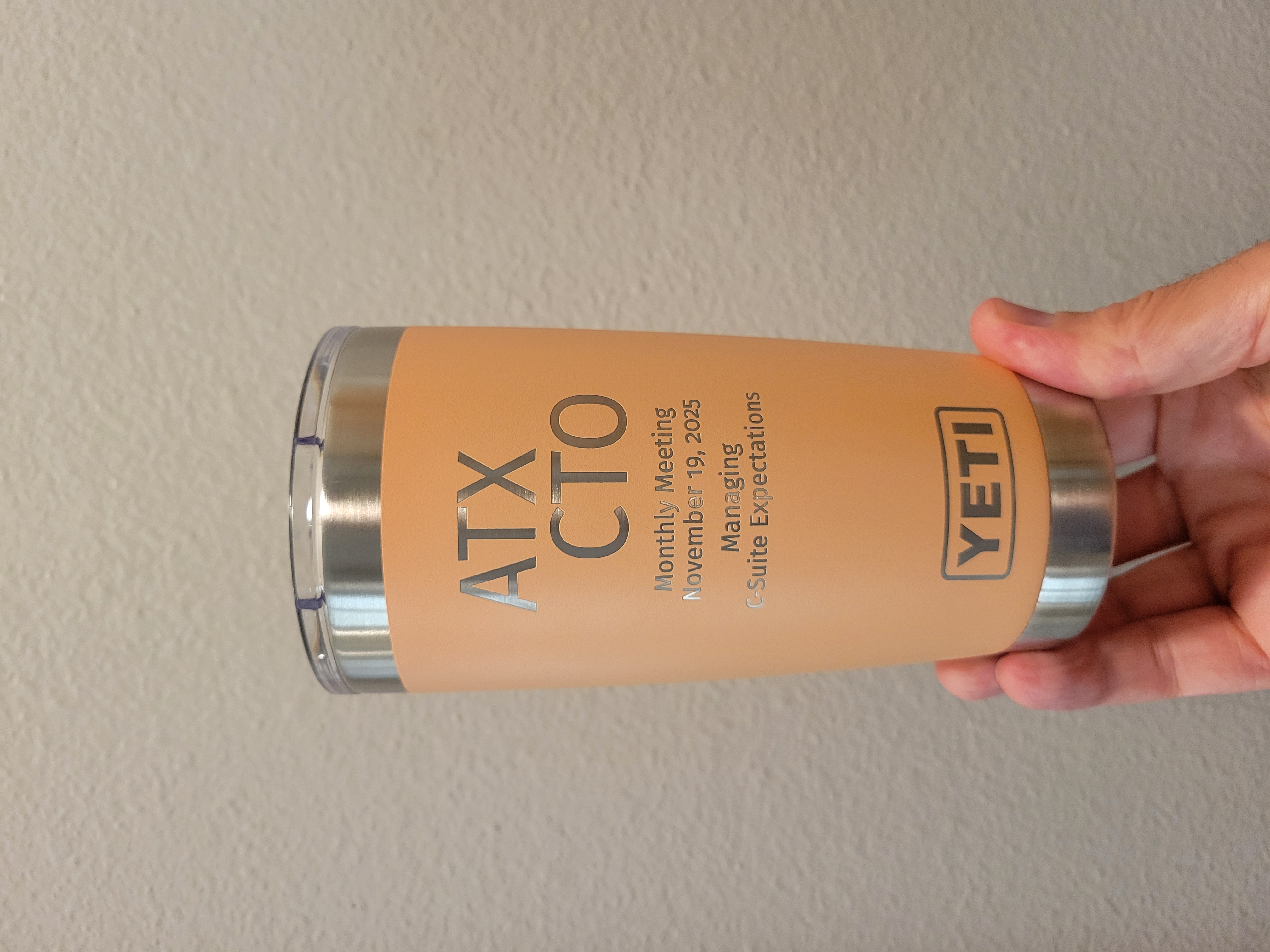
Managing C-Suite Expectations
How do you set appropriate expectations at the executive level? How do you align those expectations with delivery of technology and product? What metrics and narratives matter to your executives? What expectations do they have for AI adoption and vibe coding?
Lightning Talk #
To set appropriate expectations at the executive level, we anchor our conversations around measurable inputs, KPIs and operational metrics, that meaningfully influence output, so leaders understand not just what we are delivering, but why it matters. These metrics help quantify the relationship between our efforts and business results, creating transparency that builds trust and alignment.
We emphasize realistic goal setting and disciplined prioritization of efforts, proactively managing risk and keeping stakeholders engaged so there are no surprises. This involves clear risk assessment, regular status updates, and maintaining open channels of communication to address potential issues before they become critical. Acting on feedback becomes part of our culture, creating faster feedback loops that reinforce organizational values and reduce the likelihood of costly errors.
Ultimately, executives care about where value is created: budget, impact, and opportunity, so we frame our work in narratives that connect technology and product delivery directly to business outcomes. From a board perspective, this means understanding budget allocation, measuring real impact against investments, and identifying opportunities for growth and efficiency improvements that drive sustainable business success.
Lean Coffee Topics - Navigating executive expectations and decision making #
Executive communication & stakeholder alignment #
At the executive level expectations are shaped by how well we communicate the value of our ideas, often out-selling even the narrative of the CRO, while filtering out the “shiny new object” noise that makes everything feel like a priority. We’ve seen horror stories where misalignment between recruiting, HR, sales, and technology departments creates friction, headhunters focused on finding “perfect” candidates while technology leaders need practical skills, or sales-driven development priorities that conflict with product-focused engineering goals.
Prioritization & AI spending risks #
Misalignment between recruiting, HR, sales, and technology creates operational friction, so we rely on structured frameworks like MoSCoW to clarify priorities. Leaders often land somewhere between emotional and data-driven decisions, especially in AI where FOMO drives investments without success metrics or baselines, generating massive waste through overused, overly powerful models and opaque token spend that feels a bit confusing to understand on a granular level on the monthly P&L statement. We’re watching an AI bubble form in real time, with companies making investments that boost short-term productivity but ultimately hurt revenue through unsustainable costs.
Defining early success & measurable outcomes #
Because new technologies lack long tail data, it’s our job to define what success looks like early and layer in measurable outcomes that translate our tech-speak into narratives that resonate with revenue oriented executives. This involves putting together compelling pitches, then backing them with data, and committing stakeholders to success metrics from the start. Questions arise about government bailouts for AI companies and whether teams are actually utilizing the metrics they track, measuring success against expected outcomes, understanding waste impact, and establishing baselines for sustainable business practices.
Business impact over engineering mechanics #
The C-suite cares primarily about growth, risk, and the promise of revenue, not the mechanics of how technology gets built. So our role is to tie engineering investments directly to business impact. We see examples like Salesforce’s high-growth phase with poor controls, or the Innovator’s Dilemma where established companies focus on revenue targets once they become profitable. Sometimes revenue becomes the primary outcome metric, as seen in leading technology companies x leads to y leads to revenue framework.
Communicating technical value to boards #
In board settings technology is the supporting actor and revenue is the star; our responsibility is to demonstrate how delivering x enabled y, how our decisions lowered costs or reduced risk, and how long-term technical bets unlock future revenue potential. Board decks with engineering focus help showcase how technology changes create value, while security investments impact risk appetite. Beyond revenue, C-suite members care about patents, efficiency benchmarks, and how technical investments drive sustainable growth. We’re also exploring cost optimization for LLM spend, including better visibility into token usage, measuring team waste, and understanding how to quantify productivity gains from AI tools.
Dale Yarborough is the founder and CTO of Dispute Dojo, which helps restaurants recover lost revenue using AI-powered dispute automation and predictive analytics.